The city of Citropolis is facing a fuel shortage. When the robot Zestron finds himself on an unexpected adventure, he discovers an unlikely solution that gives him new life — and helps him get back home.
Zestron: A 3D animated short film by Lemonly
Every story starts with an idea. For Zestron, it started with a sketch during a team brainstorm about building a website chatbot. That sketch grew into a 3D model, then a character concept, and the story spawned from there. We've always been a team that loves to stretch our skills, explore new ideas, and tell a great story — so creating a fully 3D animated short was a fitting creative adventure.
3D animation
We've been doing 3D design and animation for about five years, but a project of this scale let us really grow our skills and expand our toolset.
Brand storytelling
At our core, Lemonly uses visuals to tell stories. A narrative film with almost no dialogue let us tell a compelling brand story in a new format.
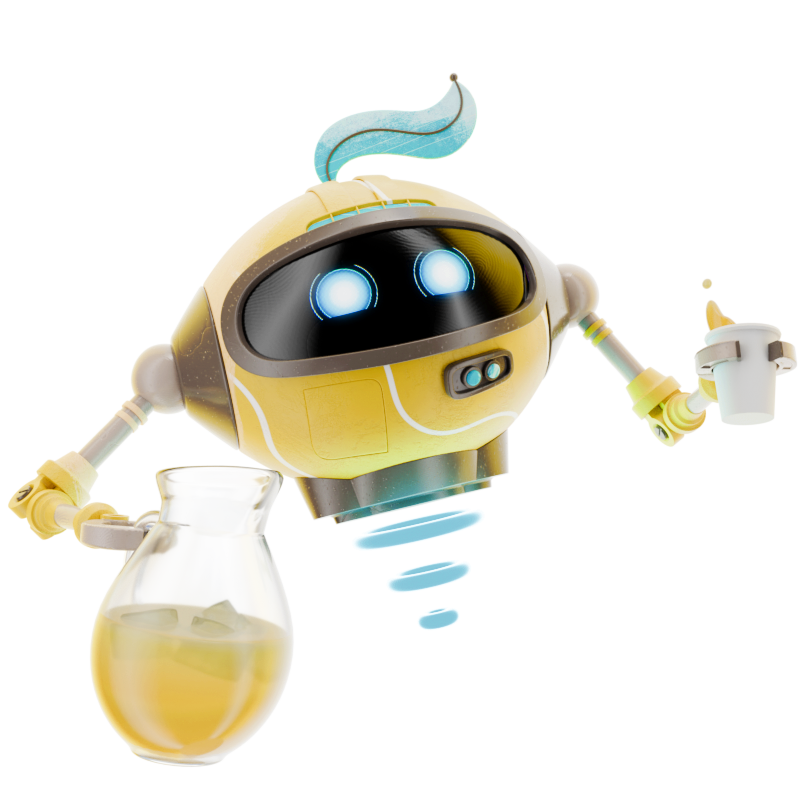
The character Zestron is Lemonly personified (or robot-ified). He's helpful, delightful, resourceful, and a sweet shade of yellow. His journey in the film, from near-burnout to reinvigoration, mirrors the creative spark we thrive on and Lemonly's role in our clients' lives.
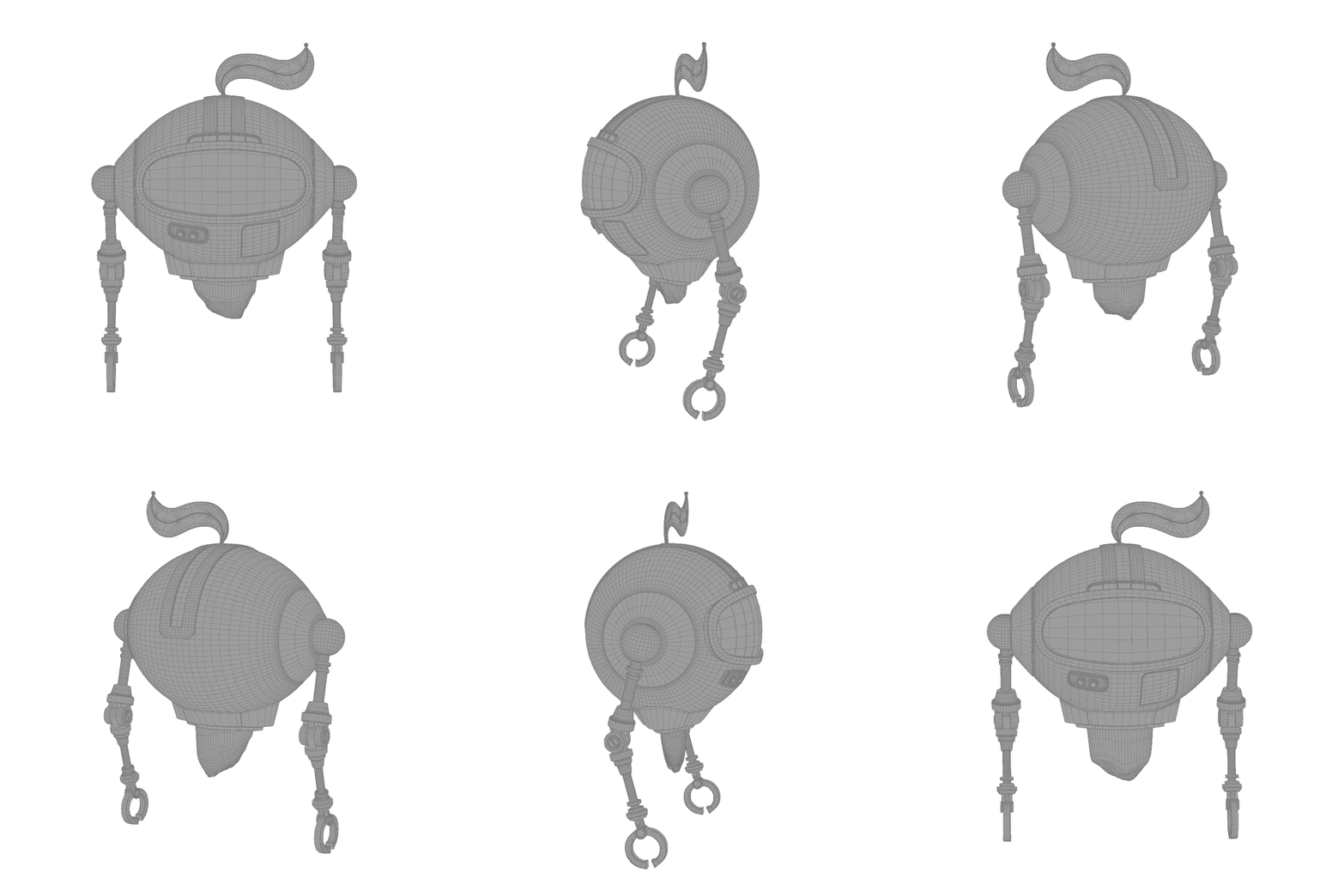
Take a look at how Zestron evolved from the initial sketch and model.
Highlights from the premiere
Before its digital release, the Lemonly team celebrated the premiere of Zestron together with our community at the historic State Theatre here in downtown Sioux Falls.
Creators Nicholas and Ty gave a Q&A recapping their creative process, lessons learned, and the behind-the-scenes scoop.
How we made it
The process of creating a short film stretched our classic lemons-to-lemonade process in new and exciting ways. Animating in 3D involves sculpting, texturizing, lighting, environments, and other aspects that don't usually come into play with 2D animation (like many explainer videos we create). That's exactly why we took on the project — to grow our skills, master new tools, and (let's be real) create something awesome.
Check out some highlights from our process crafting Zestron from initial concept to final render.
Concept & Story
The character concept came first, starting with a sketch and then a 3D model. From there, we imagined the world this character would inhabit, what his story would be, and what obstacles he'd encounter.
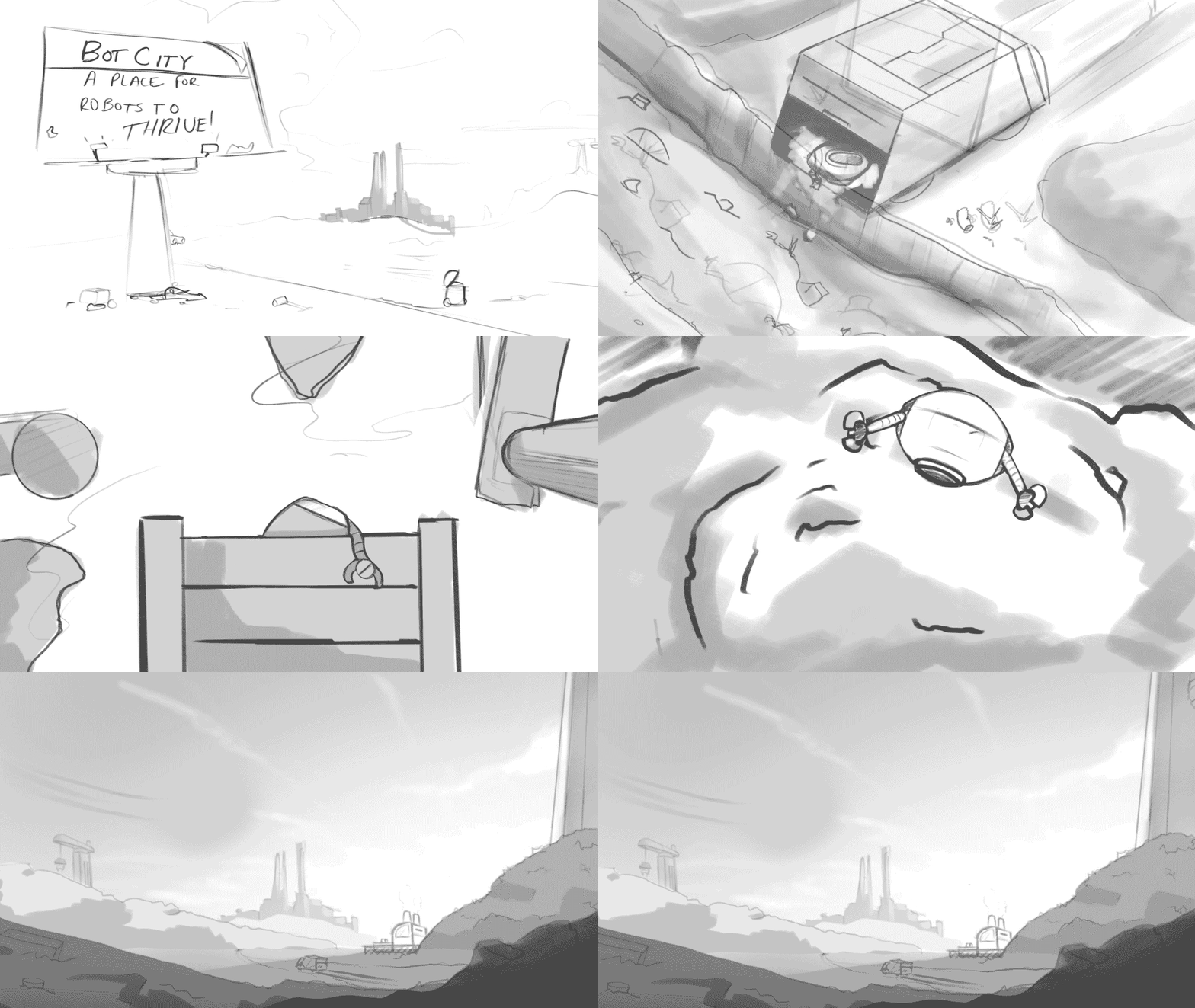
Storyboards & Animatic
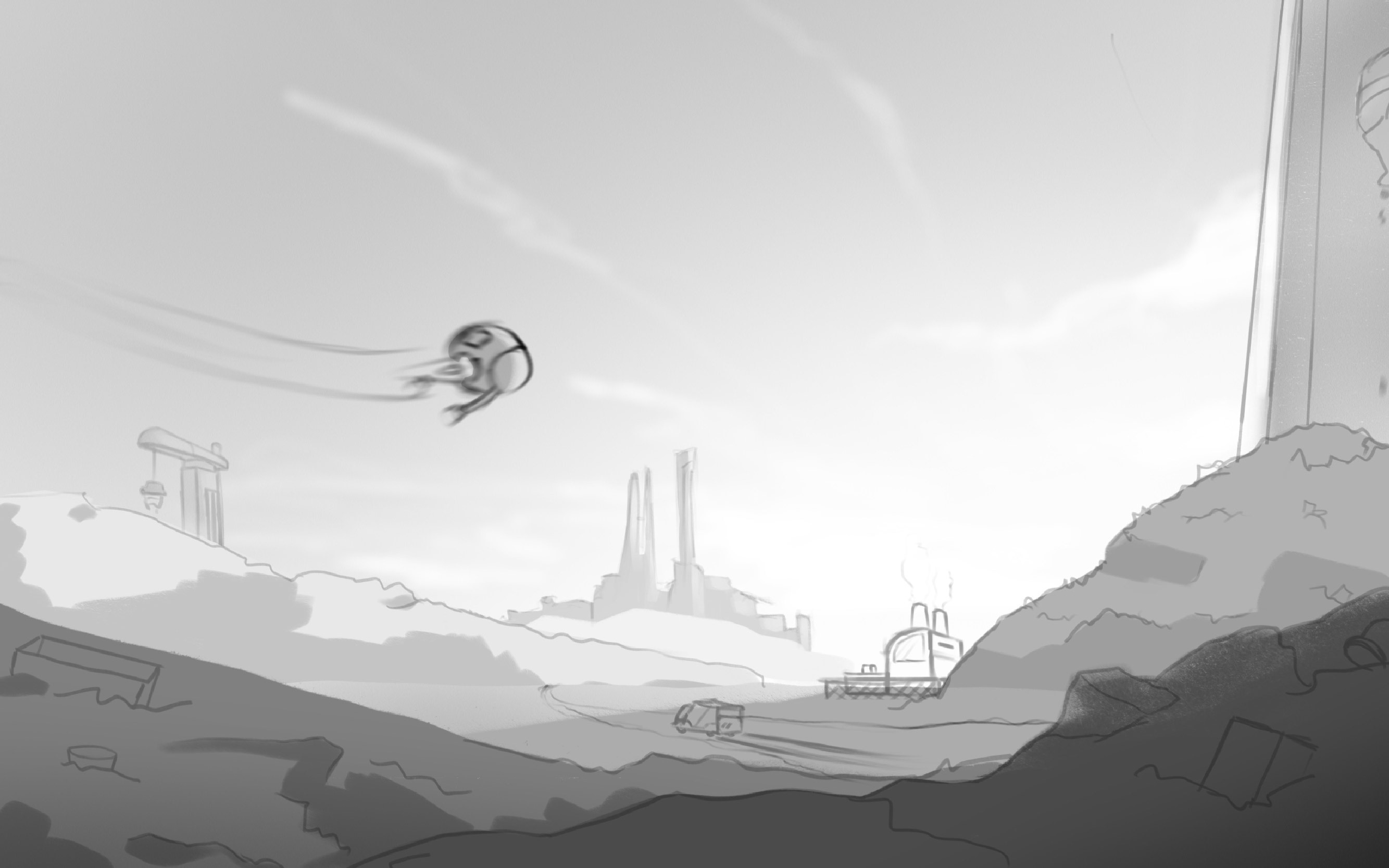
In storyboards, we sketched out key frames to build the scaffolding of each scene and visualize the story progression.
The animatic added rough motion to map out how elements and scenes would flow.
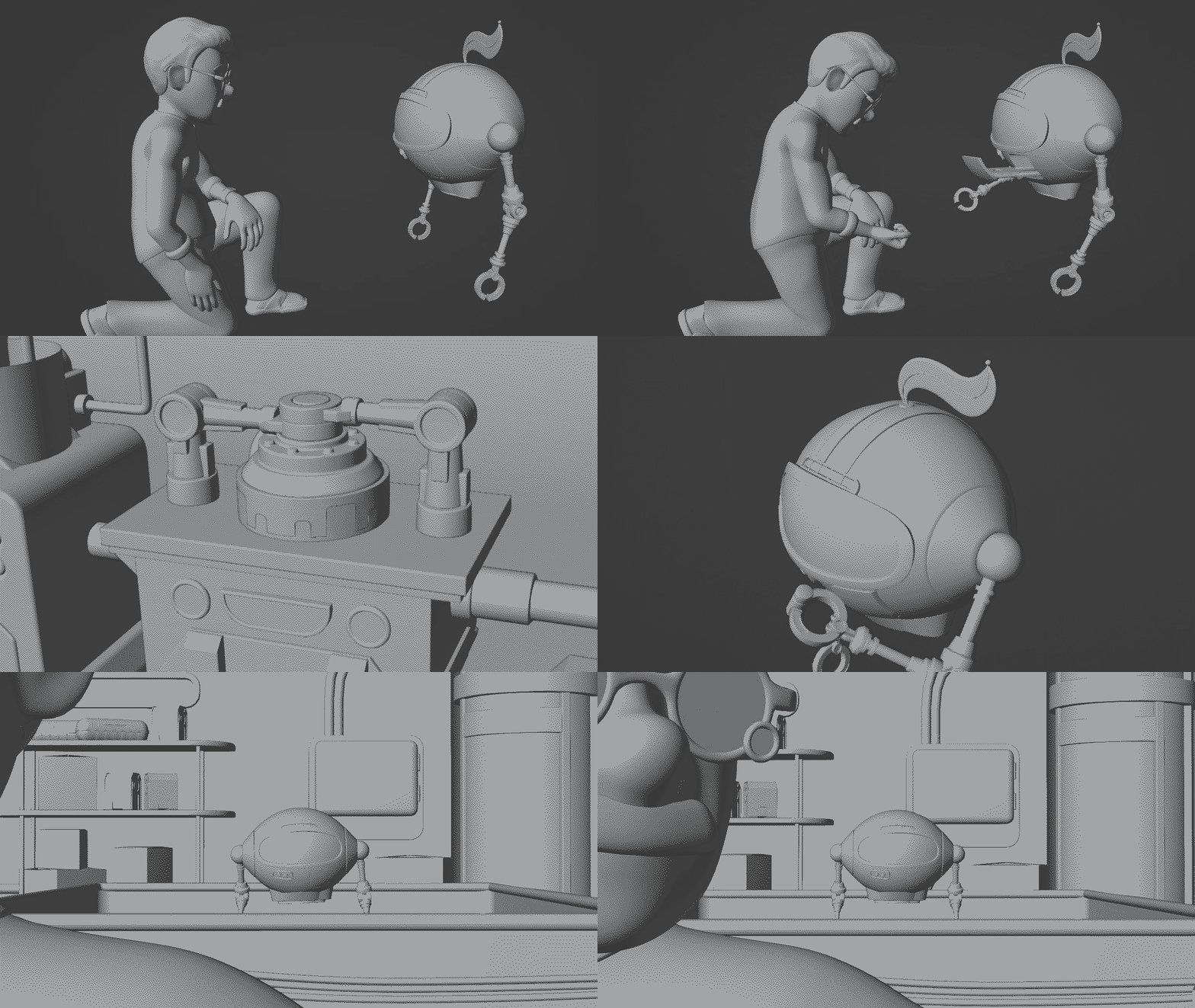
Grayboxing
Next, we built a rough 3D prototype — sculpting the storyboards with basic geometric shapes to test scale, camera angles, and character movement.
Blocking out elements in 3D space helps us establish contrast, shape, and form, then make adjustments before incorporating fully detailed, textured models.
Design & Texturing
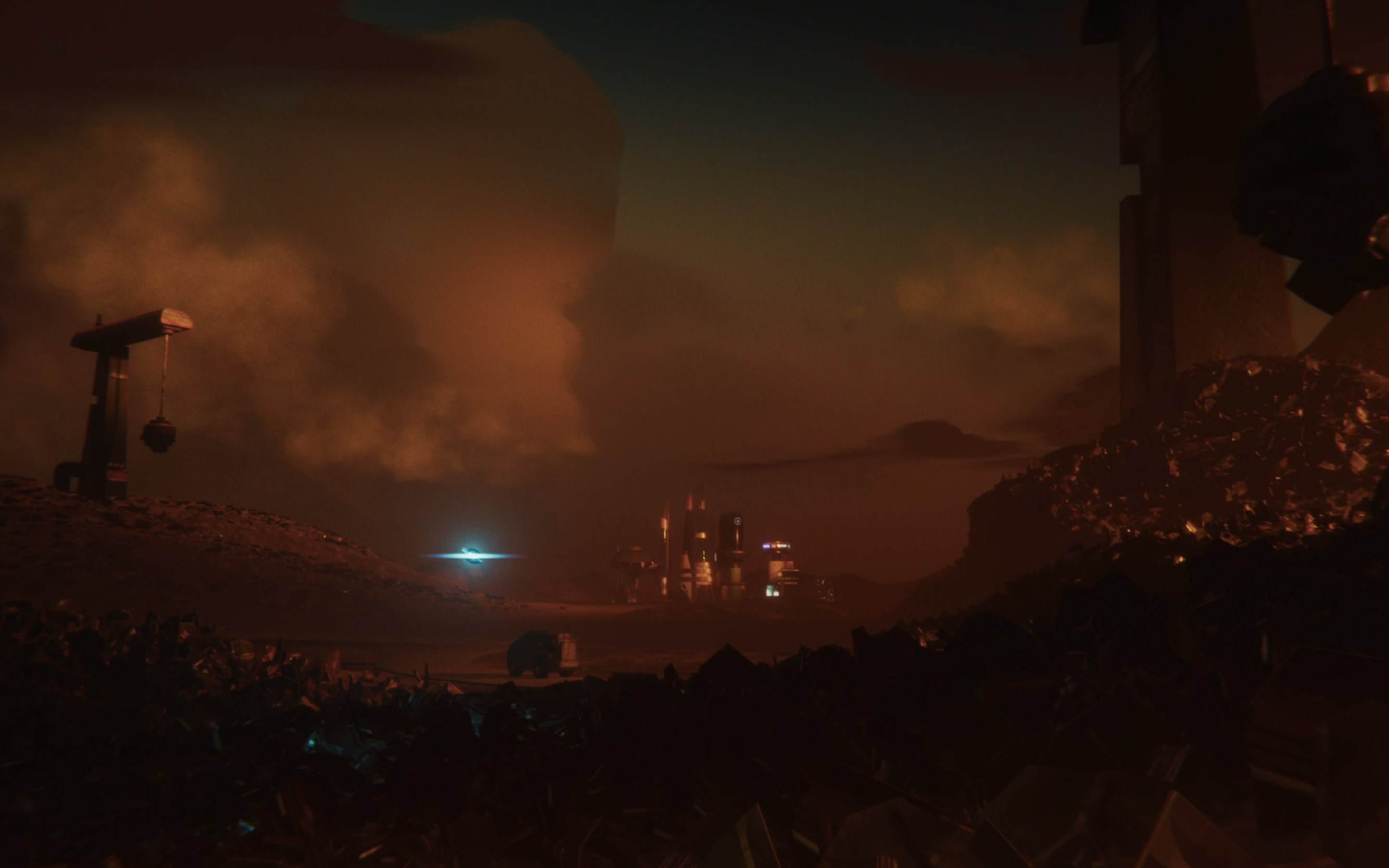
With the foundation set, we applied full design — color, lighting, texture, and 2D asset production. Gray boxes were replaced with fully detailed models. 2D animations like Zestron's eyes and HUD interface were also added.
Texturing adds color, material properties, and surface details to each model. It brings realness, grit, and sheen to the world.
Refined Animation
From there, we refined motion into final animation. Characters are rigged, movements polished, and timing finalized. Environments and characters were tweaked to match as texturing continued.
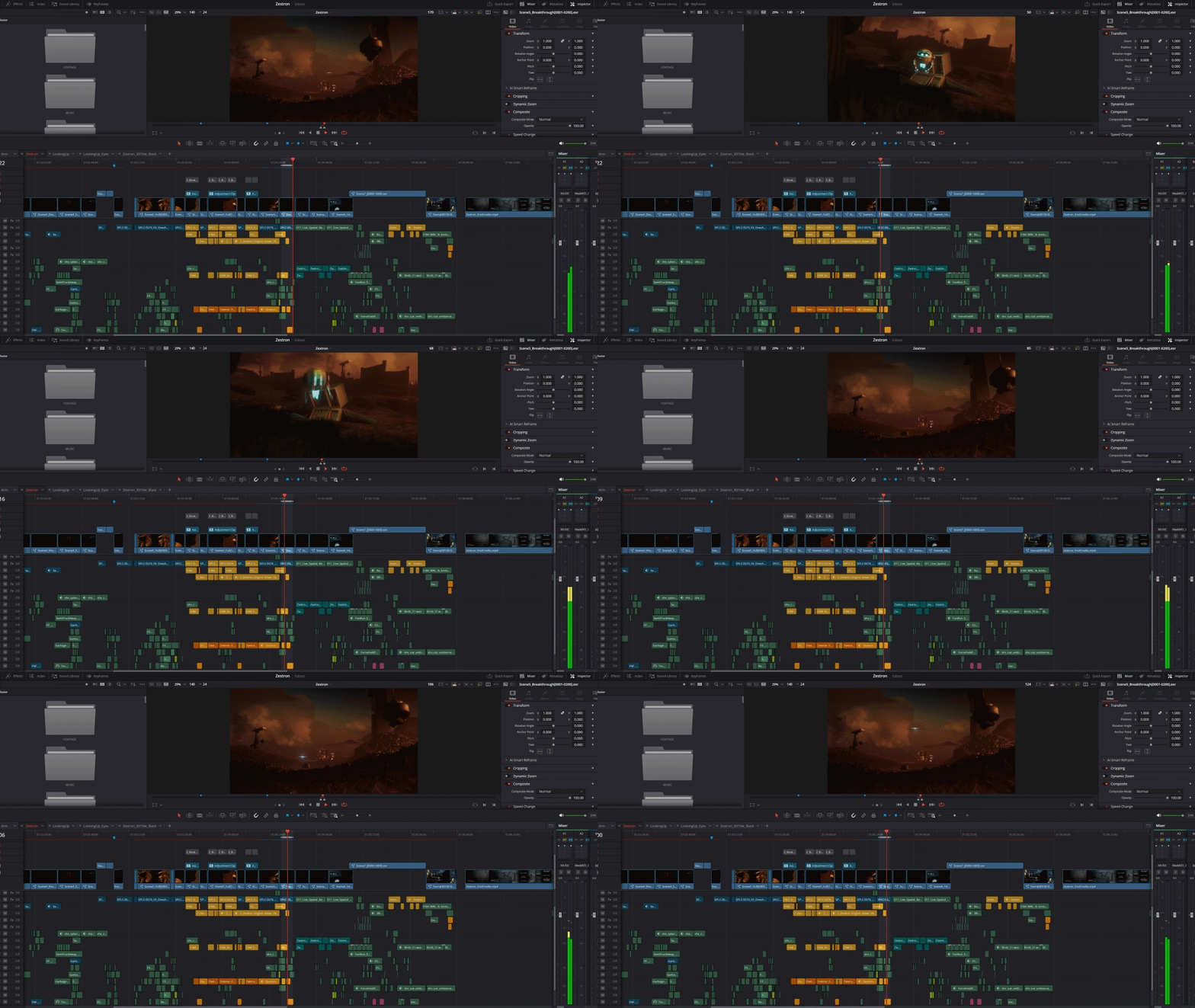
Rendering, Compositing, & Editing
Next came final adjustments to lighting and camera movements, then rendering every frame of the film. During compositing, we added visual effects and layered elements together into a cohesive final picture. Lastly, editing involved color grading and adding music and sound effects.
Music & Sound
All the music in Zestron was originally composed to match each scene. We scored the film with electronic music that adds both playfulness and emotional intensity. Sound effects added further realism.
Behind the scenes with the creative team
Watch our behind-the-scenes featurette with Zestron creators Nicholas and Ty sharing their process, lessons learned, and hidden Easter eggs you might've missed. Plus, the guys share a Q&A about the joys and challenges of making a 3D short film.
Characters
The world of Citropolis is populated with a colorful cast of helpful robots, perfectly designed for performing a variety of tasks like delivering packages (or pizza). You already know our protagonist, Zestron. His friendship with the scientist, Ron, is the foundational relationship in the film.
Each character design starts with a concept or sketch, then a 3D model, then full design and texturing to add personality and uniqueness.
Zestron
Ron
PackageBot
ChargeBot
InfoBot
PizzaBot
PaperBot
RepairBot
Environments
We visit multiple settings throughout the story, from Ron's dusty workshop and the bustling streets of Citropolis to the sprawling junkyard and smokestacks under dusky skies. Environment design involves taking each of these locales through sketches, blocking, models, and full design to establish atmosphere and scale.
Zestron Before/After Image Slider
2D assets
The entire creative team chipped in to concept and design a variety of 2D assets you'll spot in the film — posters, products, signage, advertisements, and more. These elements make the world feel lived-in (and offer more than a few Easter eggs for eagle-eyed Lemonly fans).
Tools
One of our goals in creating a 3D short film was to master some of the newer tools in our toolbox. Growing our skills with an ambitious project like Zestron means we can offer clients an even sharper set of creative solutions. Here's a look at the programs that helped us get the job done:
Blender: Our workhorse for 3D modeling and animation, from prototyping to final rendering
Substance Painter: Perfect for texturing, with similar painting and layering tools to Photoshop
Illustrator & AfterEffects: Our everyday MVPs for 2D illustration and animation
DaVinci Resolve: Used for editing, color grading, and visual effects
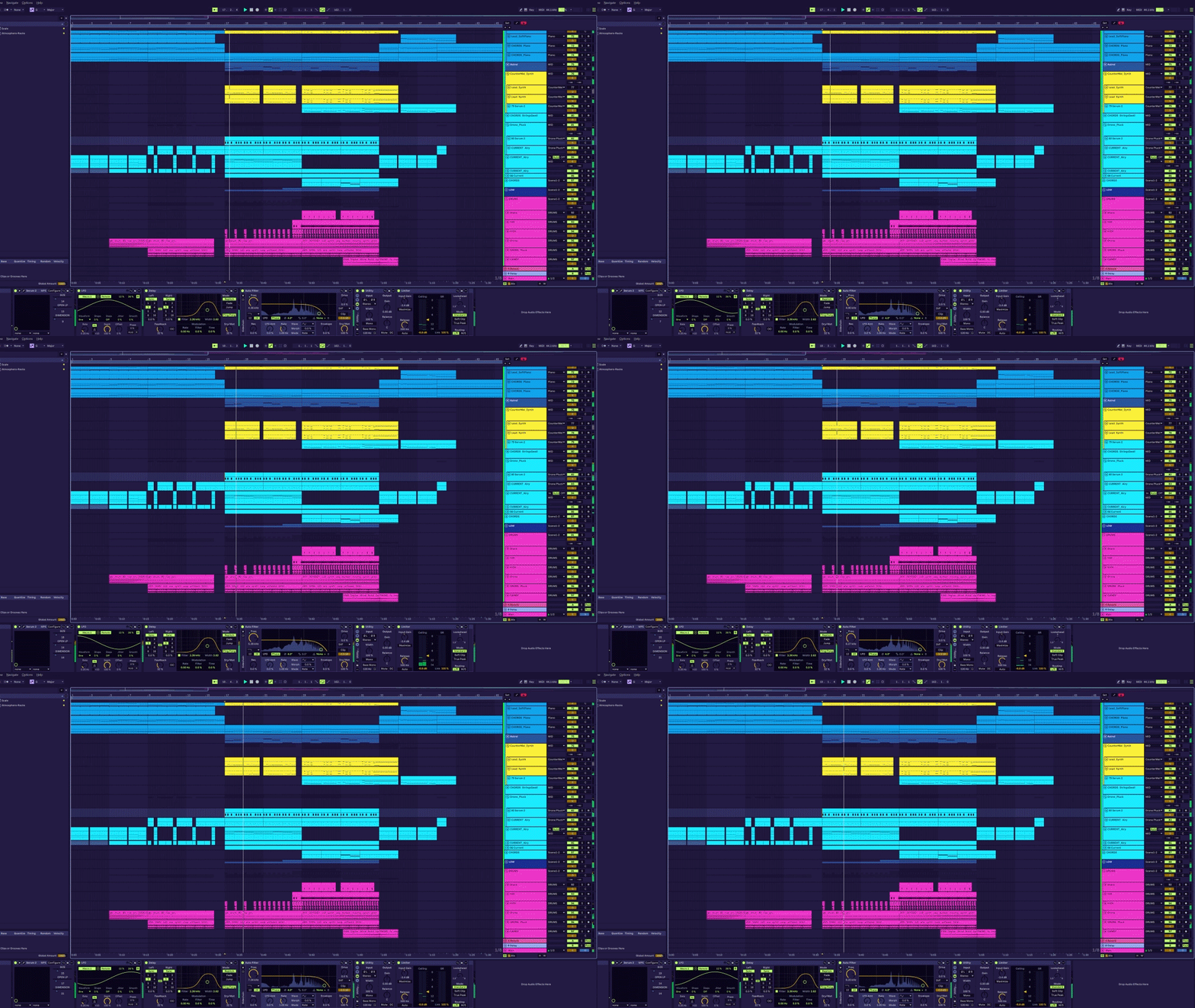
Ableton Live: Music composition and mixing
Our 3D work
These visuals bring stories to life in three dimensions. Clients like Volvo and Fiber Broadband Association have partnered with Lemonly to create unique 3D experiences, from animated videos to immersive microsites. Explore a few highlights from our portfolio here.